
The Ghana Voice,
Accra, Ghana
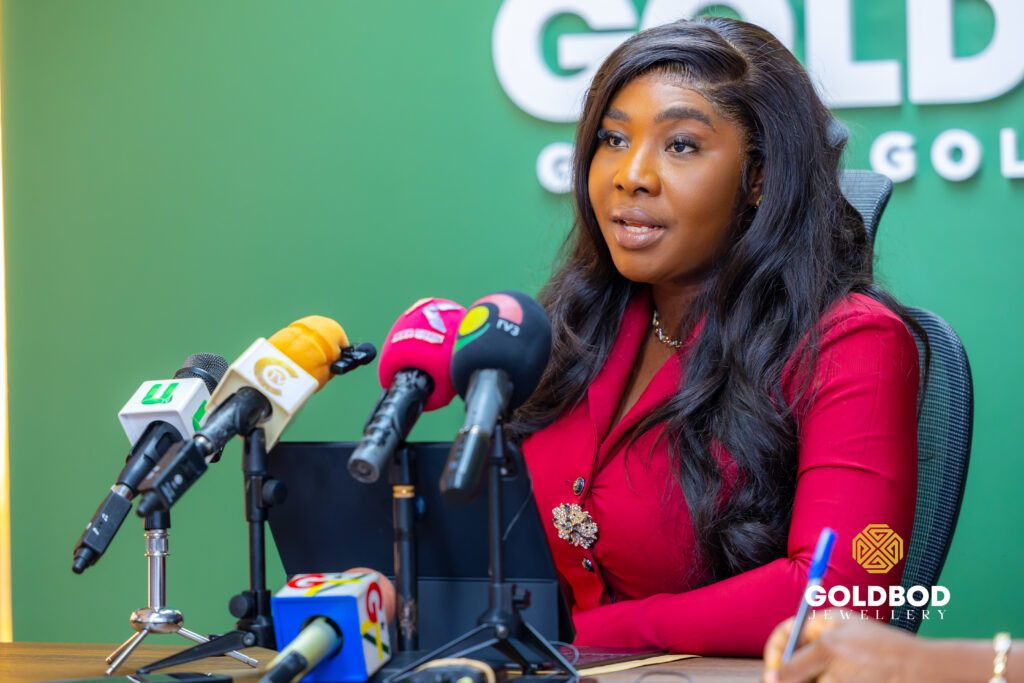
GoldBod Jewellery Breaks Silence: “We Didn’t Sponsor Nana Aba’s London Event!” — Statement Fails to Calm NDC Grassroots Fury
The Ghana Voice 09-03-2026A subsidiary of the Ghana Gold Board has issued a public clarification after facing a storm of criticism over its alleged involvement in the 2026 Women of Valour event in London.
In a statement posted on X, GoldBod Jewellery Limited insisted it did not provide financial sponsorship for the programme founded by broadcaster Nana Aba Anamoah.
The company explained that its role in the event was strictly promotional, offering discounted jewellery to participants as part of its Ghana Heritage Month campaign, rather than providing funding for the event.
“GoldBod Jewellery Limited is listed as one of the partners of this year’s Women of Valour event because the company offered discounts on jewellery purchases to participants of the programme,” the statement said.
The clarification followed the circulation of a photograph online showing GoldBod Jewellery listed among partners of the high-profile event held on March 7 at the London Hilton on Park Lane.
The image quickly triggered intense debate on social media, with critics questioning why a state-linked institution would appear to sponsor a privately organised event outside Ghana.
Many commentators demanded greater transparency about how public institutions engage with private initiatives, particularly those hosted abroad and promoted under empowerment branding.
Grassroots Anger Inside the NDC
The controversy has also opened deeper political fault lines within the ruling National Democratic Congress.
A number of party grassroots members and some executives have openly expressed frustration over what they perceive as growing access and official recognition being extended to Nana Aba Anamoah by government-linked institutions and officials.
Their anger is rooted in the broadcaster’s past political commentary, particularly during the period when the NDC was in opposition.
Many party loyalists recall her strong criticism of the party and its leadership ahead of the 2024 elections.
To them, the appearance of state entities associated with an NDC government supporting initiatives connected to her has become a sensitive political issue.
The latest backlash is not the first time the issue has surfaced.
Earlier this year, the Minister for Foreign Affairs, Samuel Okudzeto Ablakwa, faced similar criticism from some NDC grassroots supporters after Nana Aba Anamoah paid him a courtesy call at the Ministry.
Photos from that meeting circulated widely online and triggered heated debate among party activists who questioned the optics of the engagement given her previous criticism of the NDC.
While others defended the minister’s meeting as a routine engagement with a public figure promoting women’s empowerment, the incident revealed deep sensitivities among sections of the party base about political loyalty and post-victory alliances.
Even with GoldBod Jewellery’s clarification that no public funds were used, the controversy has widened into a broader debate about how state-linked organisations engage with private platforms, especially internationally hosted events.
Critics argue that institutions connected to government must exercise caution to avoid the perception of public endorsement or indirect sponsorship, particularly when the individuals involved have been politically controversial.
Supporters of the event, however, insist the conversation risks overshadowing the programme’s stated objective — empowering women across professional sectors.
A Debate That Refuses to Fade
For now, the statement by GoldBod Jewellery Limited has clarified the technical nature of its involvement, but it has not completely quieted the political noise surrounding the issue.
Instead, the episode has evolved into a wider conversation touching on state optics, grassroots political memory, and the boundaries between public institutions and influential private personalities.
As the debate continues, it highlights a recurring challenge in Ghana’s political landscape: how governments balance inclusivity and public engagement without alienating the loyal political base that helped bring them to power.